
"coffee growing environment"
9000 article(s) found

The planting environment of coffee trees the conditions for planting coffee trees
Coffee has entered thousands of households, and it is no longer what people called a foreign thing many years ago. So many friends in the planting industry also want to plant coffee trees to catch up with the ocean current. Next, I will introduce to you a little knowledge about the growing environment of coffee. 1. Coffee belt: coffee can not be grown in any environment, because it was originally grown in a tropical rain forest.

Description of flavor and taste of growing environment in Colombia, the third largest coffee producing region in the world
Description of the growing environment and flavor in Colombia, the third largest coffee producing region in the world, the suitable climate in Colombia provides a real natural pasture for coffee. Coffee trees in Colombia are mainly cultivated in the Andes, on steep slopes about 1300 meters above sea level, where the annual temperature is about 18 degrees Celsius, annual rainfall is 2000 to 3000 millimeters, and latitude 1-11-15.

Why is Ethiopian coffee made by hand? why is it good to drink Ethiopian coffee? is the growing environment good? the characteristics of Ethiopian coffee
For more information on coffee beans, please follow the coffee workshop (Wechat official account cafe_style) Ethiopia's perfect coffee growing environment there is great potential for coffee production in Ethiopia due to high altitude, ample rainfall, suitable temperature, suitable planting materials and fertile soil. In addition, this country has special value to the world because

Panamanian coffee growing environment Panamanian coffee flavor
The microclimate of the Panamanian highlands is the most important resource that makes Panamanian coffee unique. The most important resource that makes Panamanian coffee unique is its microclimate. The east-west environment of the Republic of Panama allows cold air to flow through the Central Mountains and converge above 6500 feet, creating a variety of microclimates in the Boquete and Volcn Candela regions.

A brief introduction to the growing environment of coffee beans in Santa Rita Manor, Colombia
A brief introduction to the growing Environment of Coffee beans in Santa Rita Manor in Colombia Uncle Juan Valdez of Colombian coffee farmers, as the ambassador of Colombian coffee, will travel around the world to promote Colombian coffee. A beard, a straw hat and the mules around him are his necessary wardrobe. Uncle Dou was still happy to see him at the 2010 Shanghai World Expo. Colombia has four treasures.

The main varieties of coffee in Colombia, the growing environment of Colombian coffee
Following Cafe Review (Wechat official account vdailycom) found that Beautiful Cafe opened a small shop of its own. The main varieties of Colombian coffee are Arabica Coffee (coffea arabica). Colombian coffee is divided into more than 200 grades, and the coffee is very regional. Columbia beans take the special selection (SUPERMO) as the highest grade and the upper selection (EXCELSO) for the second time.

Introduction to the flavor description of the growing environment and regional flavor of coffee beans in Fire Phoenix Manor, Costa Rica
Description of the regional flavor of coffee beans in the growing environment of Fenghuang Manor, Costa Rica. Costa Rican coffee has full grains, ideal acidity and unique strong flavor. The coffee industry in Costa Rica, originally controlled by the Costa Rican Coffee Industry Company (InstitutodelCafdeCostaRica, ICAFE), is now under the control of the official Coffee Committee (Oficinadel)

The growing environment of Kona coffee
The quality of the fine Kona coffee is suitable for the right geographical location and climate. Coffee trees grow on the slopes of volcanoes, and their geographical location ensures the altitude needed for coffee to grow; dark volcanic ash soil provides the necessary minerals for coffee. This is probably due to the fact that Kona Island is rich in volcanic black mud with moderate acidity, rich mineral content and suitable water content.

What is the growing environment of Yunnan Baoshan Iron Card Coffee Beans? Baoshan coffee beans Arabica coffee is tin
Professional coffee knowledge exchange More coffee bean information Please pay attention to coffee workshop (Weixin Official Accounts cafe_style) Yunnan Baoshan iron card coffee beans growth environment? Is Baoshan coffee beans a tin card? Yunnan coffee due to unique geographical environment and climatic conditions, formed a strong but not bitter, fragrant but not strong, with a little fruity unique flavor, the world

Panama coffee growing environment
Pay attention to the coffee comment (Weixin Official Accounts vdailycom ) and find a beautiful cafe to open its own shop. Central America is a long isthmus from northern Mexico to southern Colombia, connecting North America and North and South Africa. Panama is located in the southernmost part of Central America, so the country runs east-west, not north-south as everyone thinks. This means that the Caribbean

The picking and growing process of Coffee-- an introduction to the Manor of planting Environment
The process of picking and growing coffee-- planting environment, producing area manor introduction, also known as drying processing. After the coffee berries are fully ripe, they will fall from the tree. After natural drying, the coffee beans will come out of the coffee berries and become mature coffee beans. This is probably the earliest way to process coffee beans. Later, this method evolved into a drying process. This processing party
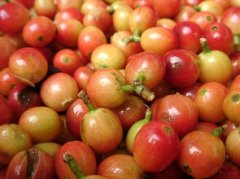
Coffee growing Environment Why Vietnam is suitable for growing Coffee
Vietnam's geographical location is very favorable for coffee cultivation. Southern Vietnam has a hot and humid tropical climate, which is suitable for growing ROBUSTA coffee, while the north is suitable for growing ARABICA coffee. Coffee production in Vietnam has the following characteristics: (1) because there is no effective way to deal with fallen leaves, medium-grain coffee was selected as the main variety in the early 1980s. (2) take planting technology as the reference.

Colombian coffee growing environment
The suitable climate in Colombia provides a real natural pasture for coffee. Coffee trees in Colombia are mainly cultivated in the Andes, on steep slopes about 1300 meters above sea level, where the annual temperature is about 18 degrees Celsius, annual rainfall is 2000 to 3000 millimeters, latitude 1-11 15 north, longitude 72-78 west, and the specific range of elevation can exceed 2.000 meters. By

Colombian coffee growing environment
The suitable climate in Colombia provides a real natural pasture for coffee. Coffee trees in Colombia are mainly cultivated in the Andes, on steep slopes about 1300 meters above sea level, where the annual temperature is about 18 degrees Celsius, annual rainfall is 2000 to 3000 millimeters, latitude 1-11 15 north, longitude 72-78 west, and the specific range of elevation can exceed 2.000 meters. By

Introduction to the flavor description of the taste treatment method in the growing environment of Sumatran coffee
Sumatran Coffee growing Environment Taste treatment method Flavor description everyone's first impression of Mantenin is always fragrant, bitter, mellow, thick and even exciting, and cannot be tasted without sugar and milk. In fact, Sumatra Lindong Manning can also bring a little sour taste, let you comfortable black coffee on the stomach! Because the processing of Manning coffee is very special.

Coffee tree growing environment and species introduction
The environmental conditions suitable for the growth of Arabica coffee trees are that the annual temperature changes between 15 and 25; the annual rainfall is between 1500 and 2000 mm, and it must be able to match the flowering period of coffee trees. In addition, the growth of coffee trees for soil requirements are also very high, if the soil is not fertile enough, containing nutrients, including a variety of trace elements are not enough, it may affect

Description of growing Environment and Flavor of Manning Coffee introduction of manor characteristics in planting area
Manning Coffee growing Environment Flavor description Variety introduction Coffee is an evergreen cotyledon plant native to Ethiopia and belonging to Coffee of the Rubiaceae family in botany, with a height of up to 10 meters, while artificial growers are only two to four meters tall due to pruning. Coffee will probably go to seed in three to four years, while twenty to 25

A brief introduction to the main factors of the growth environment of coffee beans whether coffee beans contain sugar and why they taste sweet
Professional coffee knowledge exchange more coffee bean information please follow the coffee workshop (Wechat official account cafe_style) front street-coffee growth environment, composition introduction coffee bean growth environment climate is the decisive factor for coffee cultivation, coffee trees are only suitable for growing in the tropics or subtropics, so the zone between 25 degrees south and north latitude is the most suitable for growing coffee. And this coffee production zone, one.

Introduction to the taste of the varieties produced by the regional treatment method in the growing environment of Mantenin coffee
Manning coffee growing environment characteristics of regional treatment varieties taste introduction everyone's first impression of Mantenin is always fragrant, bitter, mellow, thick and even exciting, can not be imported without sugar and milk. In fact, Sumatra Lindong Manning can also bring a little sour taste, let you comfortable black coffee on the stomach! Because the processing of Manning Coffee is very special, it is different from

Panamanian Coffee unique growing Environment quality Highland Coffee beans
The microclimate of the Panamanian highlands is the most important resource that makes Panamanian coffee unique. The most important resource that makes Panamanian coffee unique is its microclimate. The east-west environment of the Republic of Panama allows cold air to flow through the Central Mountains and converge above 6500 feet, creating a variety of microclimates in the Boquete and Volcn Candela regions.